Buying Silver Coins vs Bars: Which Choice Is Best?
Share |
11min read
Recent financial uneasiness has resulted in precious metals safe haven buying that has boosted gold prices to record levels and silver prices to near-record levels. More and more people are starting to think about precious metals and whether precious metals like gold and silver could contribute to their asset portfolios.
While silver often seems to play second fiddle to gold, its performance this year has surpassed gold, with silver rising over 60% in price versus 48% for gold.
For many would-be silver buyers, the question becomes what kind of silver to buy – silver coins or silver bars?
It’s not an easy question to answer, but it’s an important one. If you’re looking to spend thousands of dollars adding silver to your asset portfolio, you want to be sure that you’re making a decision that makes sense for you.
Keep reading to learn more about the differences between silver bars and silver coins, and to figure out which form of silver makes the most sense for you.
Potential Benefits of Owning Silver
Owning silver can offer numerous benefits. Here are three to keep in mind.
Portfolio Diversification
Asset Growth
Inflation Hedge
1. Portfolio Diversification
Silver can help diversify your portfolio, as it can alter the risk profile of your portfolio and can help offset losses elsewhere. How much of your portfolio you want to allot to silver may depend on your risk tolerance, aversion to losses, and overall financial goals.
2. Asset Growth
Not only is silver popular for wealth protection, it also has the potential to make great gains during tough times. It can even outperform gold.
In the aftermath of the 2008 financial crisis, gold nearly tripled in price, but silver more than quintupled in price. Its price growth was about double that of gold.
Many people who are buying silver today believe that silver is undervalued, and are hoping that silver will once again outperform gold during the next recession.
3. Inflation Hedge
Like gold, silver has also enjoyed a reputation for being a hedge against inflation. While the US dollar has lost 87% of its purchasing power since President Nixon closed the gold window in 1971, the silver price has risen nearly 3,000% since then.
During the entirety of the 1970s stagflation, when inflation reached into double digits, silver’s annualized rate of growth was over 30% per year, and over 20% per year even after adjusting for inflation.
What Are Silver Coins?
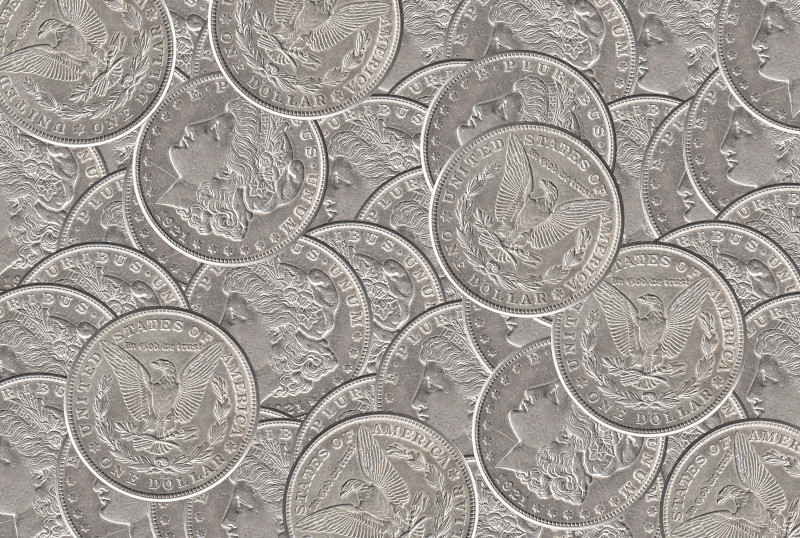
Silver coins are some of the oldest types of coinage in existence, with the first known silver coins having been produced over 2600 years ago.
Silver coins come in a variety of sizes and weights and are almost always round. Coins produced in the US generally feature a coin alignment, meaning that when the obverse (front) of the coin is right side up, the reverse is upside down, and vice versa.
Coins produced in the UK, Europe, and other countries are often produced in a medal alignment, in which the obverse and reverse are both right side up when the coin is flipped along its vertical axis.
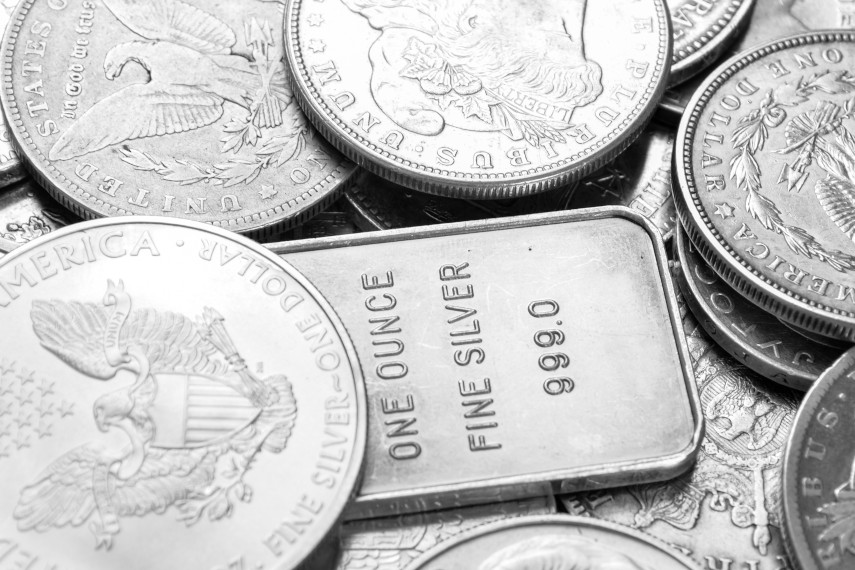
But not all round silver objects are coins. In addition to silver coins and silver bars, there are silver rounds which, as the name suggests, are round and silver. Silver rounds often contain high amounts of silver and are created with designs that can mimic those of coins.
What makes a silver coin a coin is the fact that it is issued under the authority of a government and is given a legal tender value for use in commerce.
Pros and Cons of Silver Coins
Advantages of Silver Coins
Disadvantages of Silver Coins
Affordability: Silver coins are much more affordable than gold coins due to silver’s lower price.
Premiums: The smaller the unit of silver, the higher the premium to the spot price you’ll generally pay. So expect premiums on a 1-ounce coin to be higher than those on a 100-ounce bar.
Availability: There are dozens, if not hundreds, of different types of silver coins available for purchase.
Bulk: Large amounts of silver can take up a lot of space. $100,000 of gold can fit in your pockets or in a small handbag, but $100,000 of silver might need a small suitcase.
Tangible Asset: When you own silver coins, you’re holding a physical asset with actual value.
Storage Costs: If you don’t want to store your silver coins yourself, or if you buy your silver with a silver IRA, you’ll have to factor in the cost of storing your silver and insuring it against loss.
Government Backing: Because silver coins are issued under the authority of a government, they have at least a nominal legal tender value, and you know that they’ll contain the amount of silver they’re supposed to.
Counterfeiting Risk: Counterfeiting of silver coins has been an age-old problem. But you can minimize your risk of buying counterfeits by buying silver from reputable vendors or through official channels.
What Are Silver Bars?
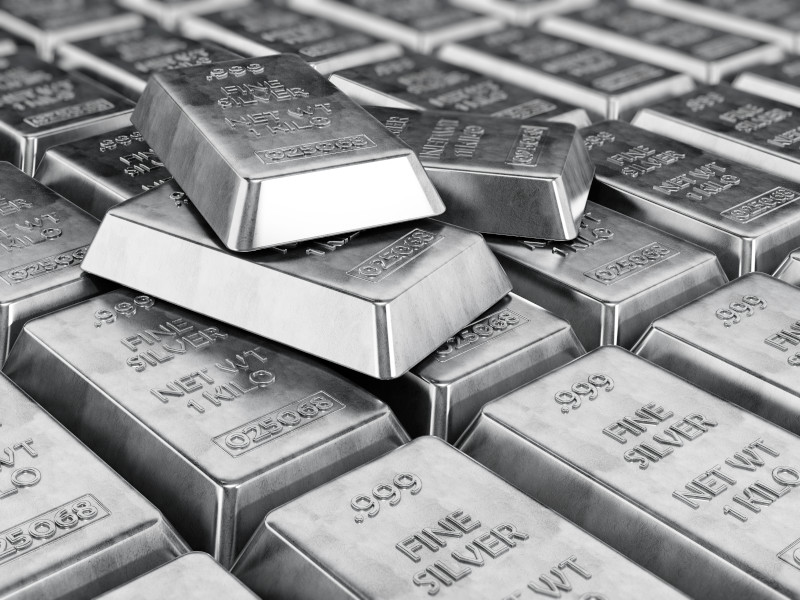
Silver bars are blocks of high purity silver that are produced for various purposes, whether for trade, investment, or industrial use.
These bars can be either stamped or cast, and can come in various sizes. The standard size silver bar for the international silver trade is a 1,000-ounce bar.
For individuals looking to buy silver bars, they are commonly available in sizes ranging from 1 gram up to 100 ounces, with 1,000-ounce bars also being available.
Pros and Cons of Silver Bars
Advantages of Silver Bars
Disadvantages of Silver Bars
Good for Bulk Purchases: If you’re looking to buy thousands of ounces of silver, it can be more convenient to buy a few large bars than to buy thousands of coins.
Less Liquid: Because silver coins have a large and liquid market, selling them can be easier, particularly if you’re looking to sell smaller amounts of silver. The market for large silver bars that can sell for tens of thousands of dollars apiece is naturally more limited.
Efficient Storage: If you’re buying and storing large amounts of silver, the shape of silver bars can allow for more efficient use of space than round coins.
Counterfeiting Risk: Silver bars can be subject to counterfeiting too. If you don’t know what to look for, and have no experience buying silver bars, you could be exposing yourself to the potential for counterfeits.
Potential for Lower Premiums: Premiums tend to be higher for smaller units of silver, so you might expect to pay smaller premiums to the spot price for large silver bars than for smaller silver coins.
Storage: Storing silver bars will impose a cost too, particularly if you need to store large amounts of silver.
Comparison of Silver Coins and Silver Bars
Silver Coins
Silver Bars
Since silver coins are issued under the authority of a government, they have some legal tender value, albeit normally a value below the melt value of the silver in the coin.
Silver bars have no monetary legal tender value as they are not issued by governments.
Silver coins are almost always round.
Silver bars are normally rectangular, with larger bars often having a trapezoidal cross section.
Most commonly available as a 1-ounce coin, although larger sizes such as 2-ounce and 5-ounce are available.
Most commonly available in 1-ounce to 100-ounce sizes in the retail trade, although 1,000-ounce bars can be available too.
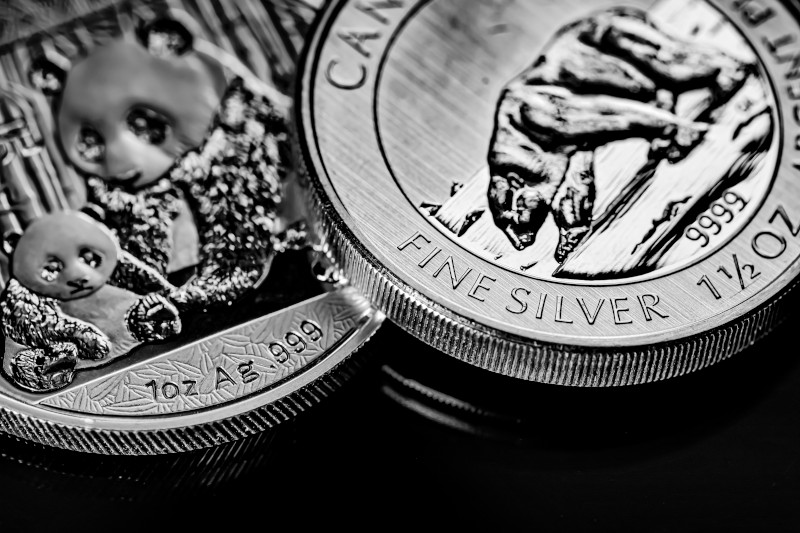
Older silver coins that circulated in commerce could range from 50% silver to 92.5% silver (.500 to .925 fineness). Most modern silver coins for the retail market are minted to at least .999 fineness, if not .9999 (99.9% to 99.99% pure).
Most bars today are available with a minimum purity of 99.9% (.999 fineness).
Silver coins come in a multitude of designs, from traditional designs emulating circulating coinage to special commemorative designs.
Silver bars tend to have more muted designs than coins, and are often limited to identification of the manufacturer, weight and fineness, and serial number.
Silver coins are minted by either government mints or private mints, but are issued under the authority of a government.
Silver bars are produced by private mints or refiners and are issued and sold by private firms.
Common Concerns About Buying Silver
If you’re new to buying silver, or deciding whether to buy silver coins or silver bars, you’ll probably have some concerns about your decision. Here are some common concerns silver buyers may have.
1. Authenticity
The first thing you may want to know is whether the silver you’re buying is real. How do you know that the silver coins or silver bars you’re buying aren’t counterfeit?
If you’re spending thousands of dollars on a silver purchase, and particularly if you’re buying silver for a silver IRA with existing retirement savings through a silver IRA rollover, you’ll want to make absolutely sure that the silver you’re buying is real.
This is where it can help to work with established and reputable vendors who can ensure the quality and authenticity of your silver.
Goldco works with mints around the world to source the silver coins we sell to our customers, ensuring a steady supply of silver for our customers as well as guaranteed authenticity.
Why risk buying counterfeit silver coins from nameless, faceless vendors when you can work with a company like Goldco who has thousands of satisfied customers?
2. Purity
The second concern you may have with your silver coins or silver bars is their purity. If you’re making a direct cash purchase of silver coins or silver bars to store at home or in a safe deposit box, this may not be a big issue.
If you’re starting a silver IRA, however, the silver coins and silver bars you purchase for your silver IRA must meet a minimum fineness of .999 (99.9% pure silver). Purchasing coins of a lower fineness would be considered a distribution of your IRA assets and could subject you to taxes and penalties.
Goldco offers a wide selection of IRA-eligible silver coins that meet IRS requirements for purity, ensuring that the silver coins you buy from us are indeed eligible for IRA acquisition.
3. Storage
The next concern you may have is how to store your silver coins or bars. If you make a direct cash purchase, you can store your precious metals at home or in a safe deposit box, or if you make a particularly large purchase you may be able to arrange for storage at a bullion depository.
If you start a silver IRA, your silver coins and silver bars must be stored at a bullion depository.
You may have read about a “home storage IRA” that allows you to purchase precious metals with IRA assets and store those precious metals at home. These arrangements fall afoul of the tax code and could subject you to significant taxes and penalties.
That’s why it’s always important to consult with your tax advisor or financial advisor before making a decision that could impact you in this way, and to work with established partners like Goldco who have helped thousands of customers navigate the process of purchasing precious metals for their IRAs.
4. Liquidity
If you’re buying silver bars and coins, presumably you’ll want to sell them at some point to hopefully make a profit. So the question you’ll want to ask yourself is, who will buy this silver from me in the future?
It might be fun to own several 100-ounce silver bars, but how many people are going to be in the market to buy those from you in the future, compared to 1-ounce silver coins?
How Can I Buy Silver Coins and Silver Bars?
There are numerous ways to buy silver coins and bars, from going down to your local coin shop, frequenting online marketplaces, or finding established precious metals companies that can provide you with silver products.
Silver can be purchased as a direct cash transaction, allowing you to take possession of your silver and store it in whichever way you see fit.
You can also buy silver coins and silver bars for a silver IRA, which allows you to own physical silver within a tax-advantaged retirement account.
Silver IRAs can be funded through tax-free rollovers from existing retirement accounts such as a 401(k), 403(b), TSP, or IRA account. And when you take a distribution from your silver IRA, you can take it either in cash or in silver.
Common Questions About Silver Coins and Silver Bars
How can I tell if a silver coin or silver bar is real?: There are numerous ways to check if the silver coins or bars you have are real. One of the first things to do is to check if the coin matches the published dimensions and weight.
Silver coins are also non-magnetic, so they should not be attracted to a magnet. Silver also makes a distinctive pinging sound when it is struck, versus base metals which have more of a thudding sound.
Finally, there are chemical tests that can be done by professionals, although these may damage your silver products.
But one of the best ways to avoid counterfeit silver is to work with trusted partners like Goldco who work with mints around the world to bring you guaranteed authentic silver coins so that you don’t have to worry about possibly buying counterfeit silver.
What is the best silver to buy?: That all depends on your particular needs and how silver fits into your financial planning.
For some people, silver may make up a large portion of their portfolio, and they may hang onto it for a long time. Others may only want to buy silver as a short-term hedge against a possible economic downturn.
And other people may just want to hang onto a few silver coins or silver bars at home in case of a rainy day. How much silver you buy and the form you buy it in will be determined by how you plan to make use of your silver.
How can I keep my silver coins and bars safe?: Silver that you buy with a direct cash purchase can be stored at home, in a safe deposit box or, if you’re making a particularly big purchase, can be stored in a bullion depository.
If you’re buying silver through a silver IRA, your silver coins or silver bars will have to be stored in a bullion depository. Goldco works with experienced precious metals bullion depositories to ensure that our customers’ precious metals assets remain safe and secure.
What precious metals can I hold in a silver IRA?: Silver IRAs aren’t limited to just silver. They can also hold gold coins or gold bars, as well as platinum and palladium bullion.
What kinds of silver coins are IRA-eligible?: IRAs are only allowed to acquire silver coins with a minimum fineness of .999 (99.9% pure silver). Using IRA assets to purchase coins with a lower silver content that are not IRA-eligible would be considered a distribution of assets and could subject you to taxes and penalties.
Can I take physical possession of the silver in my silver IRA?: The silver in your silver IRA must be stored in a bullion depository, but you may take possession of that silver when you decide to take a distribution through an in-kind distribution.
Some companies claim that there is such a thing as a home storage IRA, which purportedly allows you to purchase gold and silver using IRA assets and store those precious metals at home. These types of arrangements have been explicitly banned by tax courts, and anyone attempting to start a home storage IRA could face significant taxes and penalties.
How can I fund a silver IRA?: One of the most popular ways to fund a silver IRA is through a silver IRA rollover. You can roll over assets tax-free from an existing retirement account such as a 401(k), 403(b), TSP, or IRA account into a silver IRA.
Goldco’s precious metals specialists have helped many customers navigate this rollover process. Contact our specialists to learn more about how the silver IRA rollover process works.
I already own silver coins or silver bars. Can I move those into a silver IRA?: IRAs are prohibited from engaging in certain transactions, including IRA owners selling their property to an IRA.
This is why it can be helpful to consult with your financial advisor or tax advisor to go through the IRA rules and regulations in order to make sure that you don’t inadvertently end up making a mistake that could subject you to taxes and penalties.
Which Is Right for You: Silver Coins or Silver Bars?
As with any other asset purchase, whether you choose to buy silver coins or silver bars is a decision that you’ll make after assessing your unique individual goals. Each person’s financial situation, time horizon, and financial ability can play a role in whether they buy silver coins or silver bars.
Some people look to silver as an inflation hedge against inflation that remains stubborn. Others may fear a potential financial crisis, and look to silver as a safe haven asset, hoping it will perform in the next few years just as well as it did from 2008 to 2011.
And other people may just want to diversify their portfolios a little bit, just in case.
If you’re looking to buy silver, no matter the reason, it can be important to work with trusted partners who can provide you with the products and support you need.
Goldco has worked hard to make ourselves one of the top gold and silver companies in the country, and our more than 7,000 5-star reviews are a testament to the lengths we go to provide premium gold and silver products and exemplary customer service.
Our specialists have helped thousands of customers benefit from adding silver to their portfolios. Will you be next?
Call Goldco today to learn more about how silver bars and silver coins can help you safeguard your financial future.
Key Takeaways Gold prices and government bond yields are rising simultaneously as buyers demand higher compensation for long-term fiscal, duration, and inflation risks rather than economic...
Rising gold prices are a warning signal, indicating increased safe haven buying from individuals and institutions looking for safety amid a potential stock market bubble, geopolitical...
The federal government establishes inflation-indexed limits on 401(k) contributions to help benefit American workers while also not allowing high earners to protect too much of their savings from...
*Applies only to qualified orders. Get up to 5% back in FREE Silver when you purchase $50,000 – $99,999 in Goldco premium coins. Get 10% in FREE Silver when you purchase $100,000 or more in Goldco premium coins. Cannot be combined with any other offer. Additional rules may apply. Contact your representative to find out if your order qualifies. For additional details, please see your customer agreement. Goldco does not offer financial or tax advice regarding the purchase of precious metals.