Gold and silver prices have a history of performing well during crises, rising 266% and 534% respectively from 2008 to 2011, versus 81% for the S&P 500.
Gold prices rose 65% in 2025, while silver prices rose 144%.
Precious metals prices continue to rise in 2026, with gold up 6.4%, silver up 25.9%, platinum up 14.9%, and palladium up 8.3% so far.
Unease about the economy is pervasive through the US. Millions of Americans are uncertain about the economy, their own finances, and their future.
With this growing unease comes a flight to safety and to safe haven assets. Among those safe havens are precious metals, which have seen record high prices recently as more and more people look to buy precious metals.
Many people today remember the financial crisis of 2008, which saw markets fall by over 50% and wiped out trillions of dollars of wealth. And they also remember how precious metals like gold and silver performed in the aftermath of the crisis, with gold rising nearly 270% and silver rising over 500%.
With precious metals and record high prices in the news today, the question most people have today is, what is the best precious metal to buy right now?
Precious metals markets are far different today than they were 10 or 20 years ago, and the number of options available is significantly broader too. So what is the best precious metal to buy, and what are some of the best ways to buy it?
What Are Precious Metals?
Precious metals are rare, naturally occurring metals in the earth’s crust that have high value due to their uses, whether as safe haven assets, in jewelry, or in industry. Both because of their rarity and their use in coinage, jewelry, and industry, precious metals have values far higher than base metals such as steel and copper.
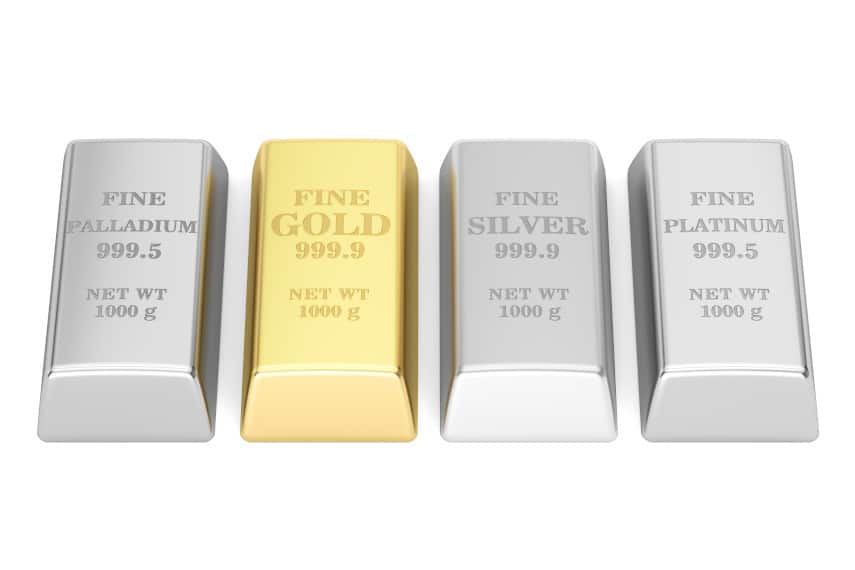
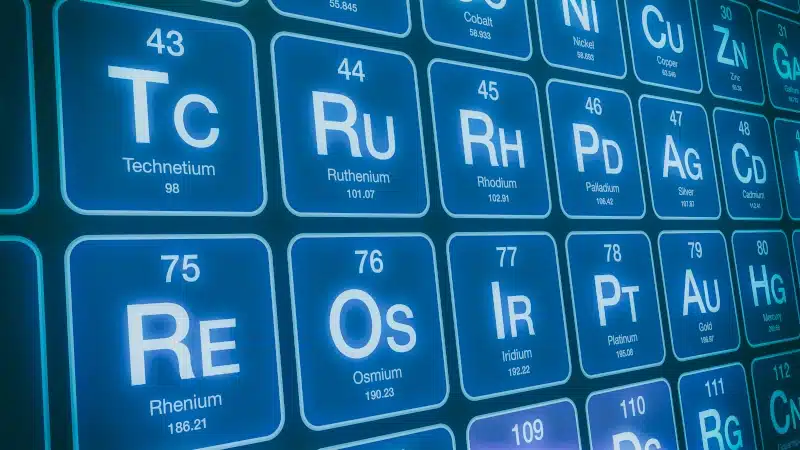
While everyone is familiar with gold and silver, they often overlook the other precious metals, those in the platinum group: ruthenium, rhodium, palladium, osmium, iridium, and platinum. So what is the best precious metal to buy right now? Let’s take a look at some of the properties of precious metals.
Metal
Primary Uses
Important Characteristics
Gold
Coins, bars, jewelry, electronics
Highly liquid market, widely bought and sold, strong demand as a safe haven asset
Silver
Coins, jewelry, silverware, solar panels, water filtration, photographic film
Normally more demand for industrial use than gold; silver price can rise higher percentagewise than gold during precious metals bull markets
Platinum
Catalytic converters, jewelry, hard drives, medical devices
Production highly concentrated among a handful of countries; smaller market and primary demand from auto industry can lead to greater price volatility
Byproduct of platinum and nickel mining, total production of about 1 tonne per year
Now that we’ve looked at some of the properties and characteristics of precious metals, let’s take a deeper dive into precious metals, starting with the four best precious metals to buy right now.
1. Gold
Advantages of Buying Gold
Disadvantages of Buying Gold
Portfolio Diversification: Gold is considered a countercyclical asset that can do well during periods of economic turmoil, and isn’t correlated with stock market performance.
No Income Generation: Gold doesn’t generate dividends or capital gains, so you’re reliant on increases in the gold price to gain value.
Safe Haven Asset: Gold has been a safe haven asset for centuries and is often one of the first assets people turn to when times look tough.
Storage & Insurance Costs: Storing and insuring gold imposes costs that could eat into your gains.
Inflation Hedge: Gold holds its value against inflation and currency devaluation. Since 1971 the US dollar has lost 88% of its purchasing power but the gold price has risen over 12,000%.
Risk of Scams: High gold prices encourage counterfeiters and scammers. You can reduce your risk of being scammed by dealing with trusted partners like Goldco.
When people think of buying precious metals, their first thought is almost always gold. Gold has captured the imaginations of people across the world for millennia, serving as a currency, a store of value, and a highly popular safe haven asset.
There’s a reason people refer to certain benchmarks as a “gold standard” – because gold is the object against which every other good has always been valued. Gold’s ability to maintain its value over time is legendary.
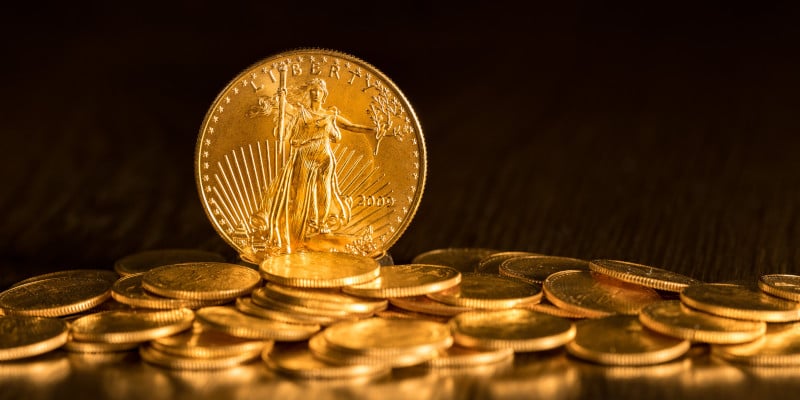
Just look at the difference between a $20 gold piece from the 1920s and its contemporary $20 bill. That $20 bill is still worth $20, while the $20 gold piece is now worth over 200 times that much.
But gold isn’t just a source of stability or diversification for a financial portfolio. It can also be a source of potential wealth appreciation. Gold has been one of the best performing assets of the 21st century, with a growth rate even surpassing that of stock markets.
With the possibility of an economic downturn weighing on many people’s minds, it’s no wonder that so many people are starting to buy gold to help protect their assets. And for those who want to try to protect their tax-advantaged retirement accounts, you can even take advantage of a 401(k) to gold IRA rollover to buy gold.
A gold IRA allows owners of tax-advantaged retirement accounts such as a 401(k), 403(b), TSP, IRA, or similar account to roll over those funds into an IRA that owns precious metals such as gold. That gold IRA offers the same tax advantages as any conventional IRA, but with the added protection that owning physical gold coins or bars can offer.
2. Silver
Advantages of Buying Silver
Disadvantages of Buying Silver
Price Appreciation: Silver can make greater gains than gold during bull markets.
Price Volatility: While silver can make greater gains to the upside, when the price drops it can see greater drops percentagewise than gold. Silver is generally considered to be 2-3x more volatile than gold.
Safe Haven Asset: Silver is a trusted safe haven asset just like gold.
Storage Concerns: Silver is bulkier than gold and takes up a lot of room. Where to store your silver and how much it will cost will be a concern.
Inflation Hedge: Silver maintains its value against inflation and a devaluing dollar. The silver price has risen over 5,600% since 1971, versus the US dollar’s 88% decline in purchasing power.
Higher Premiums: Retail silver products can have higher premiums vs. the spot price than retail gold products. You might end up paying more in premiums as a percentage when buying silver than when buying gold.
All that glitters is not gold, as many silver buyers know well. While silver often plays second fiddle to gold, it can be an important asset in any precious metals portfolio.
During precious metals bull markets, silver’s gains can often outstrip those of gold. After the 2008 financial crisis for instance, silver more than quintupled in price from its 2008 lows to its 2011 highs, while gold only nearly tripled. And in 2025, the silver price rose 144% vs. 65% for the gold price.
The silver price and market is different from that of gold because silver is much more heavily used in industry than gold. Roughly half of all demand for silver normally comes from industry, whether it’s from electronics, dental equipment, or increasingly the solar panel industry.
Silver supply is 2.5% lower than it was in 2016, while silver demand is 15.6% higher. Because most silver is produced as a byproduct of mining for gold, copper, and other metals, decreases in mining activity for those metals can result in decreased production of silver too.
Overall silver supply from mining has decreased 7.2% since 2016, while silver has been in a structural deficit, with demand outstripping supply, since 2021. Silver demand currently exceeds silver supply by over 100 million ounces per year, and there are concerns that the supply of above-ground silver may be insufficient to meet market demand.
With tightening supply and rising demand from both safe haven demand and the solar industry, the silver price could be seeing a major breakout in the coming year, and analysts at Bank of America think silver could reach over $300 an ounce.
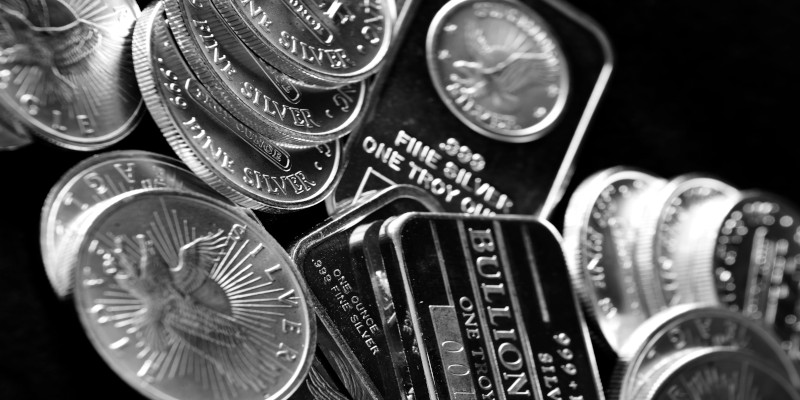
Like gold, silver can be purchased through an IRA. A silver IRA allows you to hold silver in an IRA and enjoy all the same benefits of a tax-advantaged retirement account, while simultaneously owning physical silver coins or bars.
3. Platinum
Advantages of Buying Platinum
Disadvantages of Buying Platinum
Portfolio Diversification: Platinum can offer additional diversification to a precious metals portfolio.
Less Availability: There are fewer platinum coins and platinum bars available on the market, and only two well-known platinum ETFs.
Potential for Price Appreciation: Most supply comes from Russia and South Africa, so disruptions to supply could push the price up.
Difficulty of Sale: While gold and silver markets for physical precious metals coins and bars are fairly liquid, selling platinum coins or bars could be difficult when you want or need to sell.
Increasing Popularity: Platinum currently costs less than gold, offering a tempting alternative to gold for precious metals buyers.
Volatility & Uncertainty: Platinum supply and demand are both concentrated, and the future of platinum is uncertain given the push for electric vehicles that don’t require catalytic converters.
Platinum is the third-most popular precious metal today. If you’re wondering what the best precious metal to buy is, platinum could be right up there.
Platinum’s history isn’t as long as that of gold, although the metal has existed for millennia. But it was only in the 18th century that scientists were first able to separate platinum from the other precious metals with which it was commonly found in mines.
The platinum industry took off after that, with the metal’s durability and resistance to corrosion making it a favorite of jewelers, watchmakers, and other industries.
Roughly half of platinum produced today is used in automotive catalytic converters, its primary industrial use. A large portion of platinum is used in jewelry, and the remainder is used for electronics and in various other industries that need platinum’s resistance to corrosion.
Compared to silver and gold, very little platinum is minted into coins and bars, but those coins and bars are available from mints around the world. Platinum prices haven’t moved nearly as much as silver and gold have in recent years, with decisions in the catalytic converter industry being among the major influences on platinum prices.
Over 80% of platinum production today comes from South Africa, with Russia and Zimbabwe taking the second and third spots. That concentration of production can lead to fears of supply disruption in case of unrest in Africa.
But that also could mean that the platinum price could rise significantly in the event of such a disruption. The platinum price has underperformed in recent years versus gold and silver, but it’s hard to imagine platinum becoming any cheaper than it already is, and some analysts think that the platinum group metals offer some good opportunity for price growth.
Many years ago platinum was actually worth more than gold, and for all we know it may very well get there again. Years from now people may look back and kick themselves for not buying platinum when they had the chance.
4. Palladium
Advantages of Buying Palladium
Disadvantages of Buying Palladium
Portfolio Diversification: Buying palladium can help you diversify your precious metals portfolio.
Less Liquid Markets: Your options for buying palladium coins and palladium bars are relatively limited, and there is less demand from palladium buyers when you look to sell.
Potential Price Gains: Because palladium production is so concentrated, small supply disruptions can cause large price gains, as happened in 2022 when palladium hit all-time highs.
Price Volatility: Because of highly concentrated supply and demand, the palladium price can be more volatile than gold and silver.
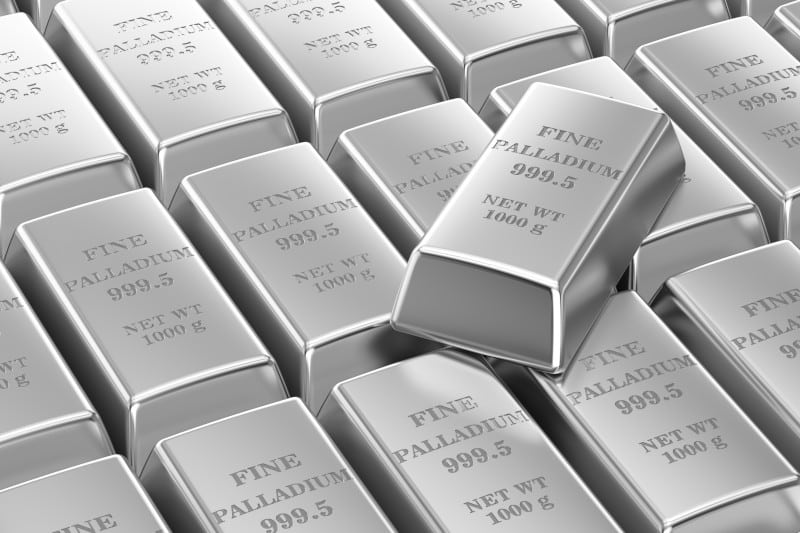
Only discovered in the early 19th century, and once of limited use primarily in jewelry, palladium has seen significant price movement in recent years. Like its sister, platinum, palladium finds one of its primary uses in the automotive industry in catalytic converters.
Similar to platinum, palladium’s production is concentrated in only a handful of countries. Russia and South Africa are the top two producers, with Zimbabwe, the US, and Canada producing lesser amounts of the metal. Supply disruptions and use by the automotive industry are two major drivers of the palladium price.
Supply disruptions from Russia in the early 2000s caused the palladium price to spike to nearly $1,100 an ounce. But by the time the 2008 financial crisis rolled around, palladium had fallen back down to a few hundred dollars an ounce.
Palladium’s lower price vis-a-vis platinum caused numerous auto manufacturers to use it instead of platinum in their catalytic converters. And that increased demand significantly.
The threat of supply disruptions in the aftermath of Russia’s invasion of Ukraine caused the palladium price to skyrocket, reaching over $3,400 at one point in early 2022. But the risk of palladium sanctions never materialized, automakers drew down their palladium stores, and the price subsequently fell to below $1,000 an ounce.
In recent months palladium has benefited from the overall precious metals boom, and some analysts think that platinum group metals may offer opportunities for price growth in the future.
With so much of the palladium supply dependent on production in Russia and South Africa, and geopolitical events potentially threatening those supplies, those betting on a lower palladium price could end up wrong, to the benefit of those who own palladium.
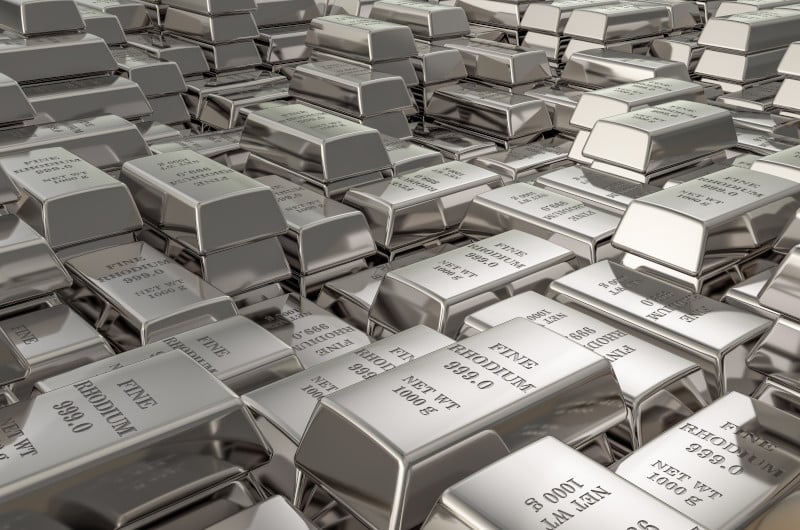
Honorable Mention: Rhodium
Advantages of Buying Rhodium
Disadvantages of Buying Rhodium
Potential Price Gains: Rhodium’s all-time high is over $29,000, and it is still higher priced than gold. With a concentrated market, there is the potential for large price swings.
Limited Supply and Demand: There are very few rhodium coins and bars produced for retail trade, making it difficult for everyday people to buy and sell rhodium products. The only rhodium ETFs are listed in London and Johannesburg.
Portfolio Diversification: Some people may want to further diversify their precious metals holdings with rhodium.
Cost: Rhodium is significantly more expensive than gold, which puts it out of reach of many individuals.
While the four metals above are the most commonly known and traded precious metals, rhodium deserves an honorable mention. It’s really the only other precious metal for which there is at least some available market, which is again, like platinum and palladium, largely due to its use in catalytic converters.
About 80% of rhodium is used in the automotive industry and, like platinum, South Africa is the world’s largest producer. That supply issue has led to a number of surges in the rhodium price over the years, with rhodium hitting an all-time high price of over $29,000 an ounce in 2021.
While the rhodium price afterwards crashed back down to around $4,500 an ounce, that was still multiples higher than the less than $700 it was trading for in 2016. Rhodium is currently trading at around $10,000 an ounce in February 2026, buoyed by the general boom market in precious metals, and there’s no telling when supply disruptions could boost the rhodium price yet again.
But rhodium doesn’t make our cut when it comes to considering what the best precious metal to buy is for a couple of reasons. The first is because of that significant price volatility.
Unlike gold and silver, which see relatively stable long-term price growth, and which can thus benefit those who want to hold assets for the long term, rhodium seems more suited to speculators looking to make a quick buck on sharp price movements.
While there were certainly great gains to be made when rhodium was soaring, there was also the potential for severe losses. Rhodium also isn’t readily available in coin or bar form, so buying it isn’t nearly as easy as the four top precious metals.
Rhodium also isn’t an IRA-eligible precious metal, which can make it more difficult to acquire as a speculative asset. While IRAs are generally prohibited from owning any metals or coins, there are specific exemptions for gold, silver, platinum, and palladium, but not for rhodium.
Gold, silver, platinum, or palladium bullion that meets minimum fineness requirements for futures contracts is eligible to be acquired by an IRA. That means you can add physical gold coins or gold bars, silver coins or silver bars, platinum coins or platinum bars, and palladium coins or palladium bars to a precious metals IRA. But rhodium gets left out.
The Other Precious Metals
The other precious metals in the platinum group metals (PGMs) are ruthenium, iridium, and osmium. These metals are among the rarest in the world, and because of their rarity and chemical properties, they just aren’t available in any real quantity to the general public.
For instance, read about the first ever coin made of pure iridium. You can see that because of the difficulty in working with iridium, it just isn’t practical to offer iridium coins and iridium bars to retail buyers.
The same goes for osmium and ruthenium, whose markets are so small and largely limited to industry that it’s nearly impossible for the average consumer to buy them. Add to that the fact that these metals aren’t IRA-eligible, and you soon realize that there is a reason gold, silver, platinum, and palladium are the four best precious metals for most people to buy.
Those four precious metals have well-established markets, plenty of coin and bar options available, and are well known to consumers. Iridium, osmium, and ruthenium may be rare and expensive, but there’s a reason for that, and a reason that no retail market for them really exists.
Common Questions About Precious Metals
What are the main ways to buy precious metals?
Coins and bars are two of the most common and popular ways to buy precious metals. Goldco offers precious metals in both coin and bar form, for both direct purchase and purchase through a precious metals IRA.
Which precious metals gain the most value over time?
Any precious metal can gain value over time, and there is no way to tell which precious metal will gain the most value. Both gold and silver have recently hit all-time high prices, and both remain popular purchase options for our customers.
I’ve never bought precious metals before.Which precious metals are best for me?
The precious metals that are best for you are those which fit your individual needs. You may want to consult with your financial advisor to determine which precious metals can help you achieve your aims, whether that’s portfolio diversification, inflation hedging, or something else.
How much of my portfolio should be allocated to precious metals?
The percentage of your portfolio you devote to precious metals is a decision you need to make with a view toward your risk tolerance and financial goals, and should be done in consultation with your financial advisor. Goldco’s specialists are not financial advisors and cannot provide financial advice.
Do I have to pay taxes when I buy or sell precious metals?
Direct cash purchases of precious metals coins or bars are tax-exempt in many states. You should consult with your financial advisor or tax professional before making a purchase.
Rollovers of funds into a precious metals IRA can normally be made tax-free, although again you will want to consult your financial advisor or tax advisor before starting a rollover.
Sales of precious metals can be subject to taxation, and rates can differ depending on how long you have owned the gold, whether it is held inside or outside of an IRA, etc. Due to the variety of potential tax situations and the fact that Goldco’s specialists are not tax advisors, Goldco cannot provide tax advice.
You should consult with your financial advisor or tax professional before making a sale of precious metals in order to determine your potential tax liability.
How do I know that the precious metals I’m buying are real and not counterfeit?
There are numerous ways to check if the precious metal coins or precious metal bars you have are real. One of the first things to do is to check if the coin or bar matches the published dimensions and weight.
Precious metal coins are also non-magnetic, so they should not be attracted to a magnet. Precious metals coins also make a distinctive pinging sound when they are struck, versus base metals which have more of a thudding sound.
Finally, there are chemical tests that can be done by professionals, although these may damage your precious metals products.
But one of the best ways to avoid counterfeit precious metals is to work with trusted partners like Goldco who work with mints around the world to bring you guaranteed authentic precious metal coins so that you don’t have to worry about possibly buying counterfeit precious metals.
How do I store my precious metals safely?
Gold that you buy with a direct cash purchase can be stored at home, in a safe deposit box or, if you’re making a particularly big purchase, can be stored in a bullion depository.
If you’re buying gold through a gold IRA, your gold coins or gold bars will have to be stored in a bullion depository. Goldco works with experienced precious metals bullion depositories to ensure that our customers’ precious metals assets remain safe and secure.
Can I hold precious metals in an IRA?Which precious metals are IRA-eligible?
Yes, you can hold precious metals in an IRA. Gold, silver, platinum, and palladium coins or bullion meeting minimum fineness requirements are eligible for acquisition by an IRA.
How can I fund a precious metals IRA?
One of the most popular ways to fund a precious metals IRA is through a precious metals IRA rollover. You can roll over assets tax-free from an existing retirement account such as a 401(k), 403(b), TSP, or IRA account into a precious metals IRA.
Goldco’s precious metals specialists have helped many customers navigate this rollover process. Contact our specialists to learn more about how the precious metals IRA rollover process works.
Can I take physical possession of the precious metals in my IRA?
The gold in your gold IRA must be stored in a bullion depository, but you may take possession of that gold when you decide to take a distribution through an in-kind distribution.
Some companies claim that there is such a thing as a home storage IRA, which purportedly allows you to purchase gold and silver using IRA assets and store those precious metals at home. These types of arrangements have been explicitly banned by tax courts, and anyone attempting to start a home storage IRA could face significant taxes and penalties.
I already own gold and silver coins. Can I move those into an IRA?
IRAs are prohibited from engaging in certain transactions, including IRA owners selling their property to an IRA.
This is why it can be helpful to consult with your financial advisor or tax advisor to go through the IRA rules and regulations in order to make sure that you don’t inadvertently end up making a mistake that could subject you to taxes and penalties.
Which Precious Metal Is Right for You?
If you want to know what the best precious metal to buy is, you’ll have to judge that according to your own financial or retirement goals. For many people, gold is going to come out on top every single time.
Gold has the benefits of long-term price growth, a good risk to reward ratio, and one of the best track records of any of the precious metals. If you’re looking to help safeguard your financial well-being for the long haul and looking for wealth protection for years or decades to come, gold is going to be hard to beat.
But other people may decide that they can afford a little more risk. They might like the additional potential upside to buying silver, particularly when they see that silver can make incredible gains during a precious metals bull market and can even outgain gold on a percentage basis.
Others may want to put a small percentage of their funds into platinum or palladium, adding even more diversification even though it could increase their risk profile. At the end of the day, it’s up to you which precious metal is the best precious metal to buy.
With years of experience helping thousands of customers just like you purchase precious metals, Goldco’s specialists are ready to assist you with any questions you have and walk you through the precious metals purchase process.
Our commitment to quality products and superior customer service has made us one of the top precious metals companies in the country, and our more than 8,000 5-star reviews are a testament to that.
If you’re interested in putting precious metals to work in helping to safeguard your retirement savings, call Goldco today.
This article was originally published in July 2020 and was updated in February 2026.
Key Takeaways In a significant policy shift, the US Geological Survey (USGS) has added silver to the federal critical minerals list, formally acknowledging its vital role in national security,...
Although China is a top producer of gold and silver, strict export controls keep much of its precious metals off of world markets, thus limiting worldwide gold and silver supply Chinese...
Rising global tension and the prospect of major power conflict has given renewed attention to the importance of gold as a safe haven asset Fear of loss, depth of military involvement, and...
*Applies only to qualified orders. Get up to 5% back in FREE Gold or Silver when you purchase $50,000 – $99,999 in Goldco premium coins. Get 10% in FREE Gold or Silver when you purchase $100,000 or more in Goldco premium coins. Cannot be combined with any other offer. Additional rules may apply. Contact your representative to find out if your order qualifies. For additional details, please see your customer agreement. Goldco does not offer financial or tax advice regarding the purchase of precious metals.