Only around half of Americans have any money in the stock market. So when discussing wealth, right off the bat we see millions of people keeping themselves out of the U.S. stock market; one of the greatest producers of wealth in the history of the world. But just as worryingly, of the half that do have money in the stock market, nearly a third are making an equally big mistake.
It was shocking to see this Marketwatch story that nearly a third of Baby Boomers, people now in their fifties and sixties, have 100% of their savings in stocks! These are people on the doorstep of retirement, and a major market correction could wipe them out. Market corrections come along with frightening regularity and are a routine part of our investing world.
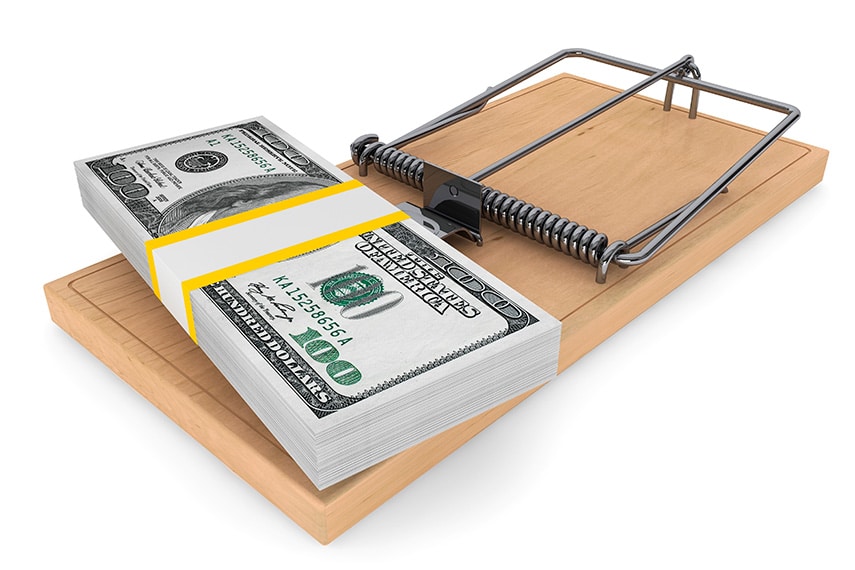
The Paper Wealth Trap
With the pace of life and demands on our time, it’s easy to see how people fall into the paper wealth trap. You start a new job, and in the process you fill out paperwork for your 401(k). A helpful rep from the company managing the plan reassures you that you can make changes at any time. So you pick out a couple of stock funds near the top of the list, and rush back to work.
Ten years of contributions and employer-matching funds later, many of us have largely forgotten about that 401(k) because the deduction is automatic. Unfortunately, most people wake up to having too much money in equities only when a major stock market crash makes the news, then they finally bother to open that 401(k) statement—only to discover they’ve lost a third of their retirement savings.
The Wealthy Work for Assets, Not Paper
The wealthy understand the paper wealth trap and are studious about diverting a percentage of their wealth to things of tangible value. The wealthy buy assets and the middle class buy liabilities and think they’re assets. At the top of the asset list are income producing assets. Those are things like commercial real estate and income producing machinery. The next tier of tangible assets are commodities like timber, gold and silver; options that let you lock in the long term buying power of your wealth, instead of watching it dwindle away over decades.
Not Prepared, Again
In 2008 we saw the perfect storm for paper wealth. So here we are: After one of the longest bull runs in history, and despite ominous rumblings about what 2017 is going to look like, most Americans have not prepared for another 2008-style economic meltdown. After seven years of solid gains, most people still leave too much money sitting, unprotected, in stocks.
If you’re in your fifties or early sixties, you need to make changes today. You may not want to become a landlord this late in life and that’s fine. At least sell of some of your stocks and shift that money into a gold IRA. Such a hard asset IRA is an easy way to ensure you’re shielded from the paper wealth trap before the next recession strikes. Recessions roll through the global economy with frightening regularity. Just because we’ve experienced a period of relative prosperity doesn’t mean it’s going to last.
Rising bond yields are panicking bond markets, despite the fact that 10-year Treasury yields are still significantly below long-term averages Monetary policy since 2008 has suppressed interest...
Unless you’ve been living under a rock for the past few years, you’ve probably heard about artificial intelligence (AI) In fact, you’re probably sick of hearing about it, as AI has become a...
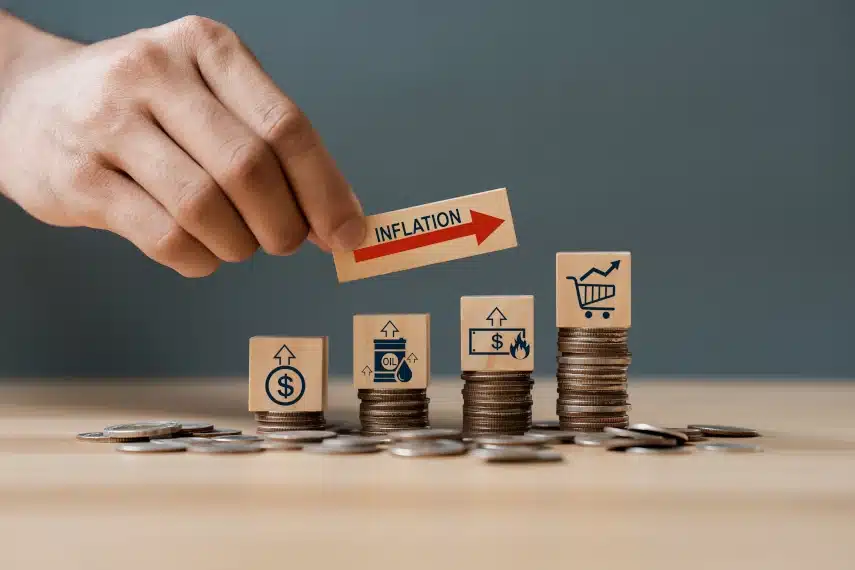
Oil and gas prices have risen significantly in the last few months as a result of the war against Iran Consumer and producer price indices have risen as a result, and there are fears that...
*Applies only to qualified orders. Get up to 5% back in FREE Silver when you purchase $50,000 – $99,999 in Goldco premium coins. Get 10% in FREE Silver when you purchase $100,000 or more in Goldco premium coins. Cannot be combined with any other offer. Additional rules may apply. Contact your representative to find out if your order qualifies. For additional details, please see your customer agreement. Goldco does not offer financial or tax advice regarding the purchase of precious metals.