Navigating Investments Without Sinking in the Global Economy
Share |
3min read
The toughest part of investing is keeping up with changes in the financial industry. Why? Because the pace of change is so slow. That might seem counter-intuitive at first, but investing is a business rooted in principles that don’t change, but which guide markets that undergo nearly constant change. The challenge then becomes how to apply those fundamental principles in markets that seem radically different from what they were just twenty years ago.
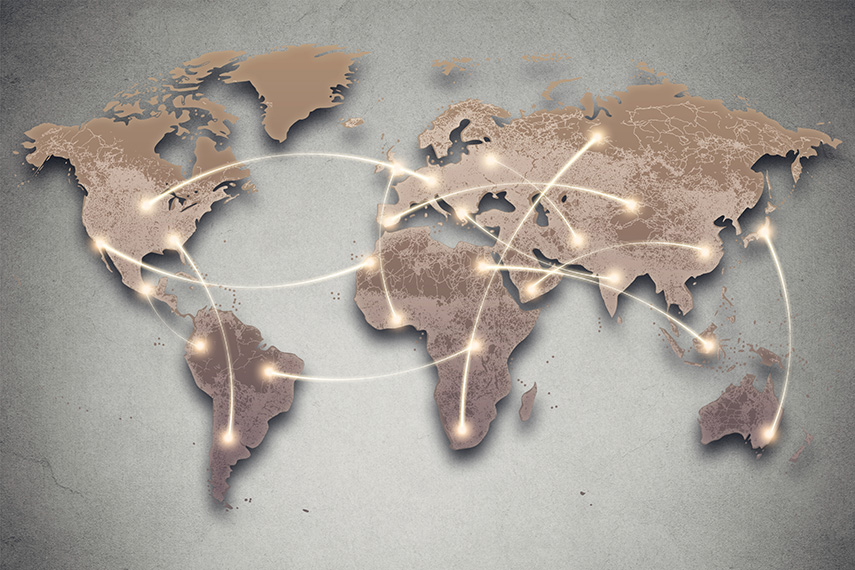
The biggest mental hurdle for U.S. investors is coming to grips with the new reality of a global marketplace. All of us old enough to have money in retirement accounts grew up in a world where the U.S. was the dominant economic power in the world. We might ask how the market was doing on a particular day, with the default assumption being we were asking about U.S. markets. Rarely did we ever ask how markets were doing elsewhere, because it didn’t matter.
We’re All Connected
For younger people, the concept of a global economy is less of an adjustment than for those of a previous generation. The connectedness of the world financial system really didn’t kick into high gear until about twenty years ago. Certainly there was global trade; goods and services being exchanged between countries, as there has been since the beginning of recorded history.
The significant change was the breaking down of information barriers and electronic commerce that took off with the rise of the internet. Suddenly it was possible to shop at a bootmaker in London with the click of a button. Buying a shipping container-load of boots was just as easy as buying a single pair. Since then global trade has exploded, with electronic communications smoothing the process of moving money between nations. The ease of doing business internationally put pressure on governments to make processes easier, which gave rise to a flurry of trade deals, including the biggest of all, the European Union.
Principled Investing
Maintaining a principled approach to investing in the globally connected economy means accepting certain modern realities. Today poor management and crooked dealing in countries halfway around the world, like the potential failure of Deutsche Bank, can spill over into U.S. markets. This summer we saw a hyper-inflated Chinese stock market crash take billions in equity out of U.S. markets. It helped that U.S. equities were a bit more expensive than normal, but the trigger for the rapid price correction was the failure of Chinese stock markets, not anything happening here in the U.S.
A Shift in Strategy
Since most of us don’t have the time or resources to monitor overseas markets for signs of trouble, that means coming up with a principled investment strategy that insulates your wealth from upheaval in different parts of the world. This is a bigger concern today because, as experts like billionaire investor Ken Langone point out, there’s very little growth in the global economy right now.
A Shift to Tangible Assets
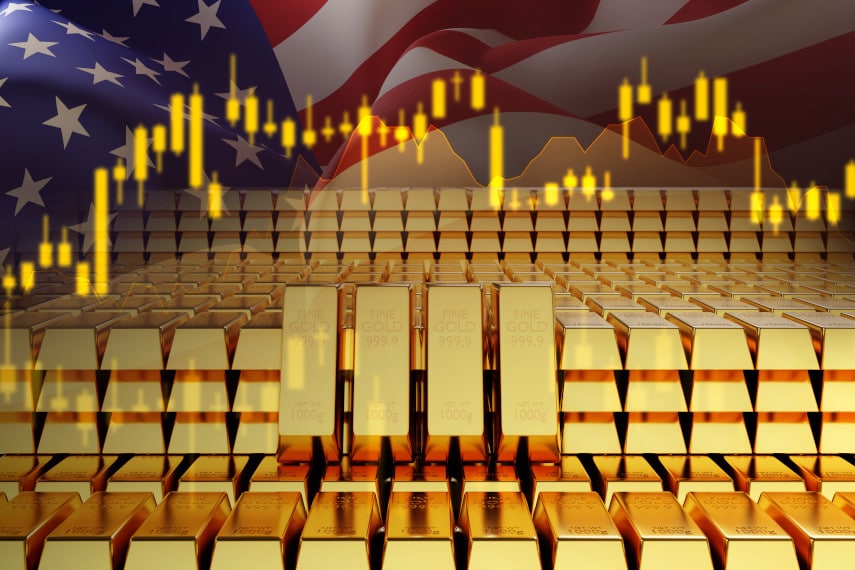
Weak global growth, and the potential for the sudden flare of a hotspot in some far-flung corner of the globe, mean taking additional steps to insulate your wealth from sudden and unexpected declines is vital. Traditionally, that means increasing the amount of wealth you keep in tangible assets. Hard assets maintain some relative value, even in a declining economy. Income producing property and commercial real estate are both examples of tangible assets. Gold and silver are also hard assets, with the added bonus that they’re far more liquid than real estate.
It’s simply not realistic to expect unlimited growth on a planet of fixed and finite resources. As we move forward we can expect more catastrophic market drops and sideways global markets. That’s made the shift to tangible assets your best option for growing—and keeping—your wealth in an uncertain, planet-sized market.
One of the biggest decisions you’ll face when you buy precious metals is how to store your gold and silver After you have made the decision to diversify your investment portfolio with precious...
After a historic, torrid run that took gold north of $4,000 per ounce, the recent retracement was not only likely: it’s healthy Large, trend-defining moves rarely travel in straight lines, and in...
Growing economic uncertainty is gnawing at Americans, with tariff spats, problematic inflation, and a weakening job market all contributing to that unease In response, Americans have begun pouring...
Applies only to qualified orders. Get up to 5% back in FREE Gold or Silver when you purchase $50,000 – $99,999 in Goldco premium coins. Get 10% in FREE Gold or Silver when you purchase $100,000 or more in Goldco premium coins. Cannot be combined with any other offer. Additional rules may apply. Contact your representative to find out if your order qualifies. For additional details, please see your customer agreement. Goldco does not offer financial or tax advice regarding the purchase of precious metals.